College
Assessing the Baylor Job in the New Era of College Football
Baylor remains an attractive job with a proven path to winning big. But as Texas Tech, SMU and Houston surge, the Bears' ceiling may depend more on donor commitment than their next hire.
(Photo: Getty Images)
Almost everything in college football is different than it was when Baylor named Dave Aranda its head coach on Jan. 16, 2020.
COVID was roughly two months away from shutting down the NBA. Transfers were still generally forced to sit out a year. There was no such thing as NIL, and revenue sharing was a four-letter word inside athletic departments. Texas and Oklahoma played in the Big 12. The Pac-12 was still a power conference. The list goes on.
Last time Baylor was open, the job was big enough to attract the defensive coordinator from that season’s national champion. It was arguably the fourth biggest opening of the cycle behind only Ole Miss, Missouri, and Florida State.
The three previous head coaches, including Aranda, won or at least played for a Big 12 title since 2014. The Bears have finished in the Top 15 of the final AP Top 25 six times since 2011. If the CFP field had always been 12 teams, they would’ve qualified under all three head coaches – Art Briles, Matt Rhule, Aranda – since 2014.
But how much has the Baylor job changed?
Aranda won the Big 12 in 2021 and set a school record with 12 wins, including the one over Ole Miss in the Sugar Bowl, suggesting that the Bears can still contend for conference championships. But 2021 might as well be 1921 if we’re talking about the college football pecking order. After all, wake someone up in 2020 and tell them that Texas Tech is the best job in the Big 12 and that SMU might be a more attractive gig than crosstown rival TCU.
Let’s start with the good. Baylor is still in a Power Four conference and the fact that the last three head coaches enjoyed success is a sign to prospective head coaches that they can win and win big in Waco. If history is the best predictor of the future, the next coach will feel like he has a shot in a perpetually wide open Big 12.
Location is also positive for the Bears, even if detractors like making jokes about Waco that only make sense to people who haven’t been to Waco in the past decade. Baylor is 90 miles from south Dallas schools like Duncanville and DeSoto. It’s less than two hours from Austin and high schools such as Lake Travis and Westlake. It’s less than three hours from Houston.
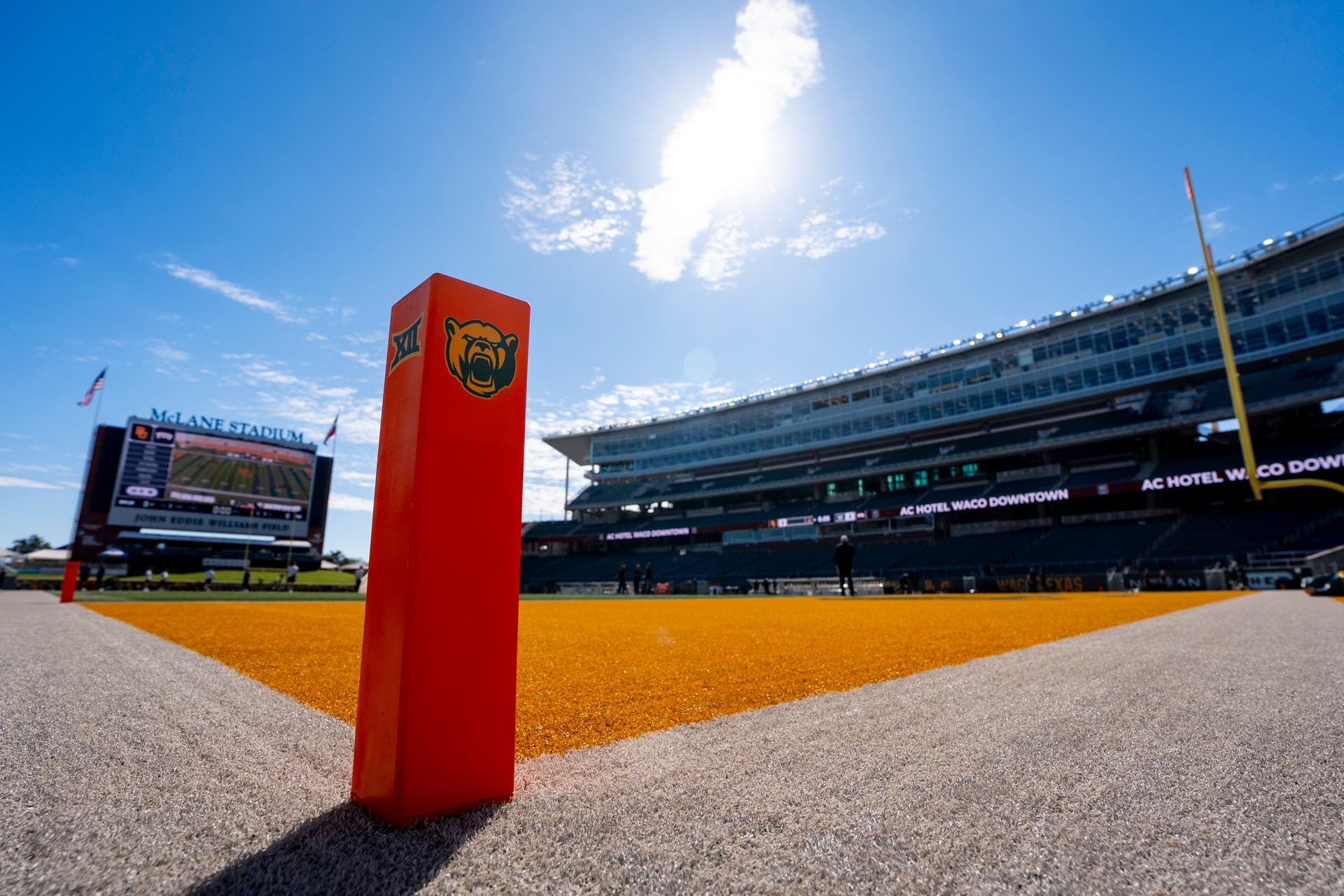
Facilities are also a plus. McLane Stadium is modern and located right on the Brazos River. The Fudge Football Development Center was opened in September of 2024 and features more than 100,000 square feet of new space for the program, including connecting it to the Allison Indoor Practice Facility and a 14,000 square-foot weight room.
So, what’s the bad?
The Athletic reported this fall that Baylor is fourth in the conference in terms of revenue share spent on the roster, trailing only Texas Tech, TCU, and BYU. Teams that spend in the top half of the conference should have no problem punching up into contention on a regular basis. Utah, Arizona, and Houston are proving that in 2026. My sources say the reporting over estimated where Baylor stands, placing them closer to the middle of the pack next to the Kansas State's of the world than BYU and TCU.
Having a top-half roster sounds great until you realize that it is roughly half as much as what Texas Tech is willing to spend. Baylor was slow to accept the new reality of college football, balking at the transfer portal and NIL until it was obvious that the Bears were missing the boat. Aranda himself called the program “naïve” last year because they thought the cap would hold while programs like Texas Tech sped right past the speed limit signs.
And while being in Texas is great for prep recruiting and attracting top end talent in the portal, Baylor’s place within that state is murkier than it was in 20219. The top two jobs in Texas back in 2019 remain the top two jobs in Texas right now – the Longhorns and the Aggies.
But Baylor was either the third or fourth best job in Texas at that time, depending on how TCU is ranked. Texas Tech’s location held them back while SMU and Houston weren’t in power conference. Texas Tech is swimming in cash. SMU is now in the ACC and have plenty of money. Houston is in the Big 12 and is all alone in one of the most talent rich markets for high school prospects in the country.
Let’s say Baylor was the third best job in Texas when Aranda was hired, fourth at worst. Now, it’s probably closer to sixth or seventh, at least on paper. An argument could be made that Baylor is the toughest P4 job in the state, though I’d still probably lean Houston until the Cougars are properly financed and fan support picks up.
The sixth or seventh best job in Texas is still one of the top 40 jobs in the country, though. There are currently three FBS jobs on the market as of Oct. 26 – Baylor, N.C. State, and Maryland. Baylor is the best job of that trio even with Maryland getting Big Ten money. Winning big and consistently at Baylor remains easier than it does at those two schools, for sure.
The Bears won’t struggle to find quality candidates for the job. That includes in-state G6 darlings like Jeff Traylor, Neal Brown, and G.J. Kinne. Maybe even Boise State’s Spencer Danielson and New Mexico’s Jason Eck.
The ceiling is higher at Baylor and coaches are competitors. They believe with the right resources and opportunities, they can win big, and it is harder and harder to win at the G6 level. Baylor provides those resources and opportunities in a way that UTSA, North Texas, and Texas State can’t.
Baylor remains a very good job with the chance of being great if the donors completely buy in to the modern landscape of college football. The next head coach in Waco needs the fans to pack the stadium and for those boosters to fill the coffers with money that can be spent on the roster.
The ceiling at Baylor won’t be dictated by the next hire. It’ll be dictated by the supporters. Joey McGuire didn’t make the Texas Tech job the third best in Texas. The oilmen did. Baylor boosters need to decide where they want the university to swim over the next 5-10 years because another round of musical chairs is coming and a Super League is on the horizon.